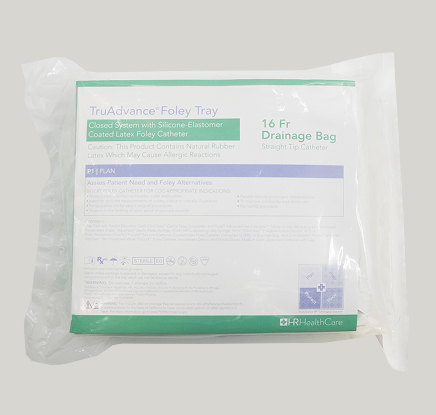
The TruAdvance 4P framework transforms leading, evidence-based guidance into an easy-to-follow model that brings clarity and confidence to bladder management. At the core of this initiative are nurses—the champions of safe and effective care—who play a vital role in driving infection prevention and promoting patient safety.
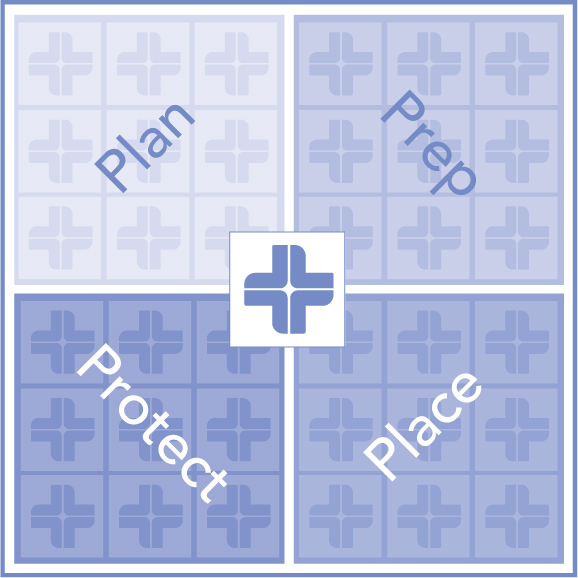
By simplifying complex information into four practical focus areas—plan, prep, place, and protect—TruAdvance helps clinical teams recall critical actions for risk mitigation and strengthen consistency in care. With this empowering framework, healthcare professionals can turn knowledge into proactive practice that positively impacts outcomes and advances the standard of care.
What
Why
What
Guides clinicians through a comprehensive assessment and verification phase to confirm patient needs, appropriate indications, and supply selection before the procedure.
Why
Proper planning ensures the right approach and product are chosen for clinical indications, reducing risks and supporting procedural success.
What
Guides clinicians through a comprehensive assessment and verification phase to confirm patient needs, appropriate indications, and supply selection before the procedure.
Why
These preparation actions are critical to minimizing infection risk and preventing contamination by removing pathogens, educating patients to enhance cooperation, maintaining sterility prior to insertion to protect the urinary tract, and ensuring readiness to perform the procedure efficiently.
What
Guides clinicians through a comprehensive assessment and verification phase to confirm patient needs, appropriate indications, and supply selection before the procedure.
Why
Sterile technique during insertion is critical to prevent bacteria from entering the urinary tract and to reduce the risk of catheter-associated urinary tract infection (CAUTI).
What
Guides clinicians through a comprehensive assessment and verification phase to confirm patient needs, appropriate indications, and supply selection before the procedure.
Why
Vigilant post-insertion care and ongoing maintenance—whether following Foley or intermittent catheterization— significantly reduces infection risks and safeguards outcomes.
P1 | Plan
Prioritize Intentional Decisions
In the fast-paced realities of clinical care, urinary catheterization can sometimes be more automatic than intentionally planned, influenced by many variables beyond standard protocols. Decisions about catheter use often balance complex patient needs with workflow demands.
The TruAdvance 4P Plan phase underscores the critical importance of thorough and consistent assessment, focusing on infection prevention as the cornerstone of patient safety in decisions related to catheter insertion. Evidence-informed, intentional decision-making helps reduce unnecessary catheter use and minimize infection risks.
The Plan phase is the foundation of the TruAdvance 4P Framework.
Prevention starts with decision–not insertion.
Thoughtful product selection and availability empower clinicians to make timely, patient-centered decisions.
P2 | Prep
Prioritize Thorough Preparation
Once a well-informed clinical decision has been made regarding the bladder management approach, structured preparation before catheter insertion is essential. This includes staff support, patient education, procedural setup, and adherence to hygiene and aseptic protocols to ensure optimal execution.
Urinary catheter insertion audits often reveal gaps in preparation, such as incomplete hand hygiene, inconsistent sterile field setup, and omission of key aseptic steps. These sometimes overlooked steps are critical for preventing infection and highlight the need for simplified strategies, education, and resources to close these gaps.
Thorough preparation helps
ensure asepsis and efficiency.
Labeling with step-by-step visuals and word instructions, along with insert instructions and tray prompts, makes the process intuitive and reduces practice variability.
Nurse-focused component upgrades
(non-woven soap wipes, under buttocks drape with pocket) helps reduce procedural mess and support strict sterile field compliance.
P3 | Place
Prioritize Precision
From glove rips to inadvertent contact with non-sterile surfaces, contamination moments are the invisible enemy of infection prevention, particularly with urinary catheterization. Even a single breach can undo the best clinical intentions.
Catheter insertions often fail to maintain sterile integrity—not due to neglect, but because of environmental pressures, time constraints, or gaps in refresher training. Even well-trained teams can lapse under urgency. Prioritizing precision in technique and maintaining sterile conditions during catheter placement builds confidence with every procedure, reducing the risk of bacterial contamination and protecting patient safety.
Even minor contamination breaks can cause infections.
Environmental pressures and time constraints often drive lapses.
Post-insertion, the shift from placement to ongoing management often reveals vulnerabilities— incomplete workflow steps leave Foley catheters improperly stabilized, drainage kinks unchecked, catheters linger due to shift/department handoffs, and intermittent procedures lack follow-up monitoring. These lapses turn routine care into infection risks, as bacteria exploit every breach or delay.
The Protect focus area organizes post-insertion steps, maintenance, and monitoring workflows—ensuring Foley and intermittent catheters are safely managed until bladder management is no longer needed, transforming vulnerability into a continuous cycle of prevention.
Following Foley catheterization, proper securement and drainage device placement are required.
Clearly communicate at every transition—from ED to inpatient and unit to unit.
Continuous reassessment and maintenance close the prevention loop.
Consistently use checklists and documentation to track and confirm all maintenance actions.
Products
A focused assortment centering on TruAdvance products as the core mix supporting the TruAdvance 4P framework, developed to support the unique demands of acute care settings. Additional supplemental products provide flexibility for diverse patient needs and clinical scenarios, all seamlessly organized for an integrated, standardized approach to care that reduces variability and optimizes outcomes.
Clinical Resources
The TruAdvance 4P Urological Solution includes a comprehensive suite of support resources. A practical library offers videos for training alongside real-time guidance tools for risk awareness, daily practice, and CAUTI prevention. Together, these tools help teams apply the framework at the bedside, refine techniques, stay aligned with evidence-based best practices, and sharpen skills for more uniform performance and consistently high-quality care.
Patient Education
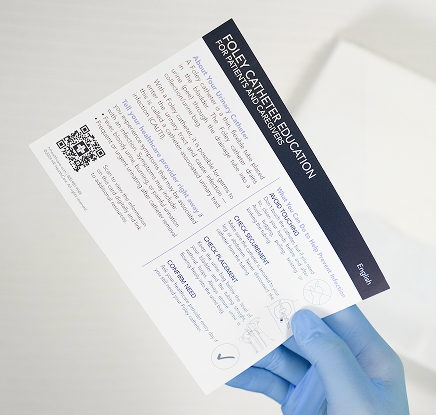
Resources aligned with best-practice recommendations and designed to support clinical guidance—empowering informed patient and caregiver participation in catheter care, infection risk reduction, and proper maintenance protocols.